
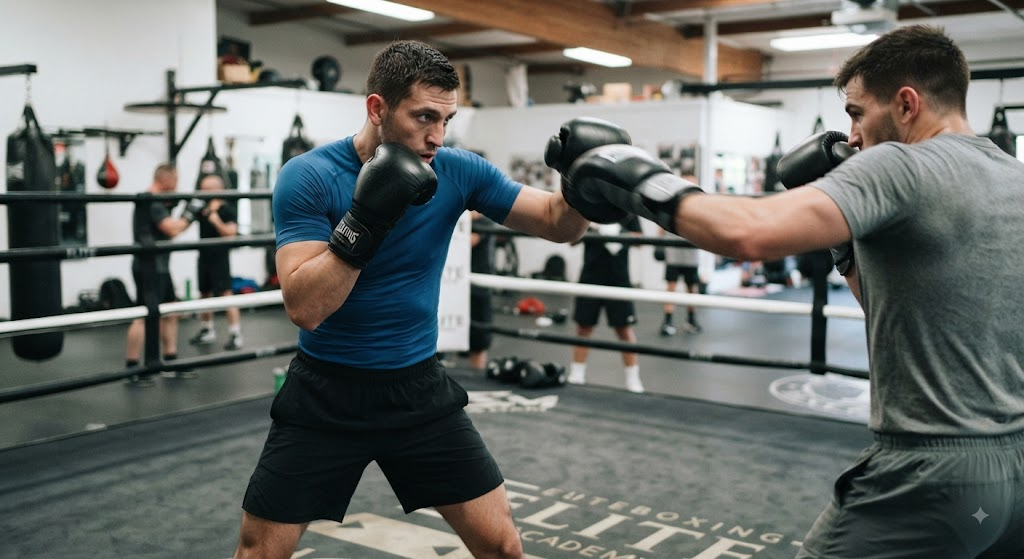
Master Guide to Sffareboxing: Everything You Need to Know
Traditional training often leaves practitioners stuck with theoretical knowledge and zero practical reflexes. Without a structured framework like sffareboxing, learners struggle to bridge the gap between basic drills and active execution. This guide breaks down everything needed to master sffareboxing safely and effectively.
Table of Contents
What is Sffareboxing?
Sffareboxing represents a dynamic conditioning and skill-refinement methodology designed to elevate physical agility and tactical awareness. Practitioners engage in structured sessions that prioritize form, fluid movement, and precise reaction timing.
By integrating active drills with controlled intensity, sffareboxing builds immense confidence. Participants learn how to read movements accurately while maintaining composure under pressure.
Core Principles and Fundamentals of Sffareboxing
Mastering sffareboxing requires absolute dedication to foundational mechanics. Footwork, proper stance, and balance form the bedrock of sustainable progress.
Every session reinforces muscle memory. Maintaining a compact posture protects against counterattacks while maximizing offensive efficiency.
Essential Equipment Required for Safe Sessions
Safety remains the primary priority during any high-intensity sffareboxing routine. Utilizing proper gear protects joints and minimizes unnecessary trauma during contact.
- Headgear: Absorbs impact and protects facial structures.
- Mouthguards: Prevents dental damage and absorbs jaw shock.
- Gloves: Provides adequate padding for striking accuracy.
- Support Wraps: Stabilizes wrist joints and small bones.
Step-by-Step Methodology for Beginners
Starting out correctly prevents bad habits from forming early. Beginners should focus entirely on controlled execution before ramping up speed.
1.Establish Your Stance:Prerequisite: Basic balance check.
Set your feet shoulder-width apart, keep your dominant hand back, and keep your weight evenly distributed across both legs.
2.Master Defensive Posture:Safety essential.
Keep your hands high, elbows tucked tight to your ribs, and your chin slightly lowered to protect against incoming angles.
3.Execute Controlled Drills:Low intensity focus.
Partner up to practice basic defensive catches and light counters without adding excessive power.
Advanced Techniques and Tactical Adjustments
Transitioning from beginner drills to advanced sffareboxing requires sharp mental focus and strategic adaptation. Elite practitioners rely on feints and rhythm changes to disrupt opponents.
Reading micro-movements allows fighters to counter instantly. Timing supersedes sheer power every single time in high-level exchanges.
Common Mistakes to Avoid During Practice
Even dedicated practitioners make avoidable errors that stunt progress. Recognizing these pitfalls accelerates long-term mastery.
- Dropping Hands: Leaving the face exposed after throwing a strike invites immediate counters.
- Tensing Up: Excessive muscle tension drains stamina rapidly and slows down reaction times.
- Ignoring Footwork: Moving aimlessly instead of maintaining balanced angles breaks defensive integrity.
Comparing Traditional Training Versus Sffareboxing
| Training Parameter | Traditional Drills | Sffareboxing Method |
| Adaptability | Rigid and predictable | Dynamic and reactive |
| Reflex Building | Moderate | High real-time pressure |
| Skill Integration | Slow transition | Immediate practical application |
Expert Safety Guidelines and Supervision
Safety protocols must govern every single training session. Professional supervision ensures that intensity remains constructive rather than hazardous.
Coaches monitor fatigue levels to prevent sloppy execution. Establishing clear boundaries with partners keeps the environment safe for everyone involved.
Mental Toughness and Psychological Conditioning
Physical conditioning accounts for only half the battle in sffareboxing. Mental resilience determines how a practitioner handles fatigue and pressure.
Staying calm amidst chaos preserves cognitive clarity. Mindfulness drills help athletes maintain emotional control during intense sessions.
Comprehensive Overview Summary Table
| Aspect | Key Focus Area | Primary Objective |
| Foundation | Footwork and Stance | Maintain optimal balance |
| Defense | High Guard and Blocks | Minimize incoming impact |
| Strategy | Feints and Timing | Create openings successfully |
| Mindset | Composure and Focus | Stay relaxed under pressure |
Frequently Asked Questions About Sffareboxing
What is the primary goal of sffareboxing?
The primary goal is to refine tactical skills, improve real-time reflexes, and apply training concepts in a controlled, active environment.
How often should beginners practice sffareboxing sessions?
Beginners should start with one or two light sessions per week, gradually increasing frequency as technical proficiency improves.
Is protective gear mandatory for sffareboxing?
Yes, wearing certified headgear, mouthguards, and properly sized gloves is essential to prevent injuries.
How do I prevent fatigue during intense rounds?
Staying relaxed, controlling your breathing rhythm, and avoiding unnecessary tension help conserve energy.
Can sffareboxing be practiced without a partner?
While shadow drills help build mechanics, live interaction with a partner is required to test timing and distance management.
What makes sffareboxing effective for conditioning?
It combines cardiovascular endurance, anaerobic bursts, and mental alertness into a single unified workout.
Conclusion and Next Steps
Mastering sffareboxing transforms raw technique into instinctual execution. Stay consistent, prioritize safety, and apply these core principles to elevate your training journey today.
Also Read More:https://honormagazine.com/sffareboxing-schedules-by-sportsfanfare/