

Oral Minoxidil for Hair Loss: Why More People Are Exploring This Modern Hair Growth Approach
Hair loss is one of the most common concerns affecting both men and women worldwide. While losing a small amount of hair each day is a normal part of the hair growth cycle, excessive shedding or gradual thinning can become a source of frustration and reduced confidence.
In recent years, interest in oral minoxidil has grown significantly as individuals seek alternatives to traditional topical treatments. Originally developed for blood pressure management, minoxidil became widely recognized after researchers observed its effects on hair growth. Today, it remains one of the most discussed ingredients in the field of hair restoration.
Understanding Hair Loss
Hair growth follows a continuous cycle involving growth, transition, and resting phases. Under normal circumstances, old hairs shed and are replaced by new ones.
However, several factors can disrupt this cycle:
- Genetics
- Hormonal changes
- Aging
- Stress
- Nutritional deficiencies
- Certain medical conditions
- Medications
- Environmental factors
When these influences affect the hair growth cycle, hair may become thinner, weaker, or shed more rapidly than it can regrow.
Common Types of Hair Loss

Hair loss is not a single condition. Several different forms exist, each with unique causes and characteristics.
Androgenetic Alopecia
Often referred to as male or female pattern hair loss, this is the most common form of hair thinning.
It typically develops gradually and may result in:
- Receding hairlines
- Thinning at the crown
- Reduced hair density
- Widening part lines
Telogen Effluvium
This condition involves excessive shedding that often follows:
- Illness
- Surgery
- Stressful events
- Significant lifestyle changes
Age-Related Hair Thinning
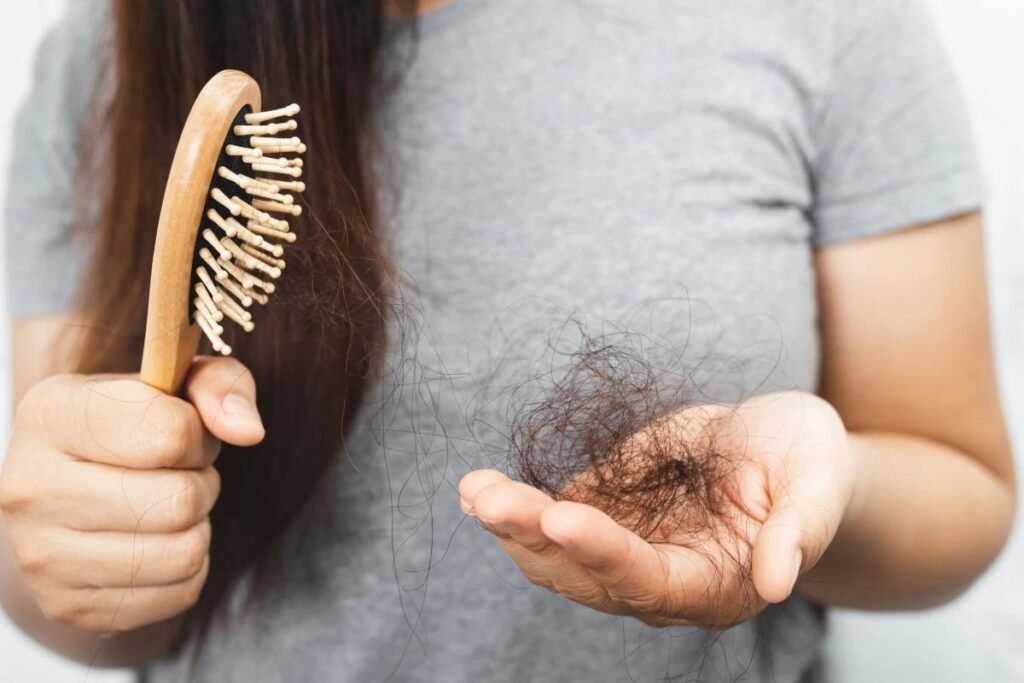
As people age, hair growth naturally slows and individual strands may become finer.
Diffuse Hair Loss
Rather than affecting a single area, diffuse thinning impacts overall hair density across the scalp.
Understanding the type of hair loss involved often helps determine the most appropriate management strategy.
What Is Minoxidil?
Minoxidil is one of the most recognized ingredients associated with hair growth support.
Although originally introduced for cardiovascular purposes, researchers soon noticed an unexpected effect: increased hair growth in many users.
This discovery eventually led to the development of hair-focused treatments containing minoxidil.
Today, minoxidil is widely used in both topical and oral forms as part of hair restoration strategies.
How Minoxidil Supports Hair Growth
Researchers believe minoxidil helps improve blood flow around hair follicles and may extend the growth phase of the hair cycle.
Potential benefits associated with minoxidil include:
- Increased hair density
- Improved hair thickness
- Support for active hair follicles
- Reduced appearance of thinning
- Promotion of healthier hair growth cycles
Because hair growth occurs slowly, visible improvements generally require patience and consistency.
Why Oral Minoxidil Has Gained Attention

For many years, topical formulations dominated the hair loss market.
However, oral minoxidil has attracted growing interest because it offers a different method of delivery.
Some individuals prefer oral formulations because they:
- Eliminate the need for daily scalp application
- Avoid residue left by topical products
- Simplify long-term treatment routines
- Fit more easily into existing daily habits
As awareness increases, more people are exploring oral options as part of comprehensive hair management strategies.
The Importance of Consistency
One of the biggest misconceptions about hair growth treatments is that results appear quickly.
Hair growth is naturally slow.
Most successful long-term approaches involve:
- Consistent treatment
- Patience
- Realistic expectations
- Healthy lifestyle habits
Because hair follicles require time to respond, noticeable changes often develop gradually over several months.
Supporting Hair Health Beyond Treatment
While targeted treatments may play an important role, overall hair health also depends on several additional factors.
Nutrition
Hair follicles require adequate nutrients to function properly.
A balanced diet containing:
- Protein
- Iron
- Zinc
- Biotin
- Essential vitamins
may help support healthy hair growth.
Stress Management
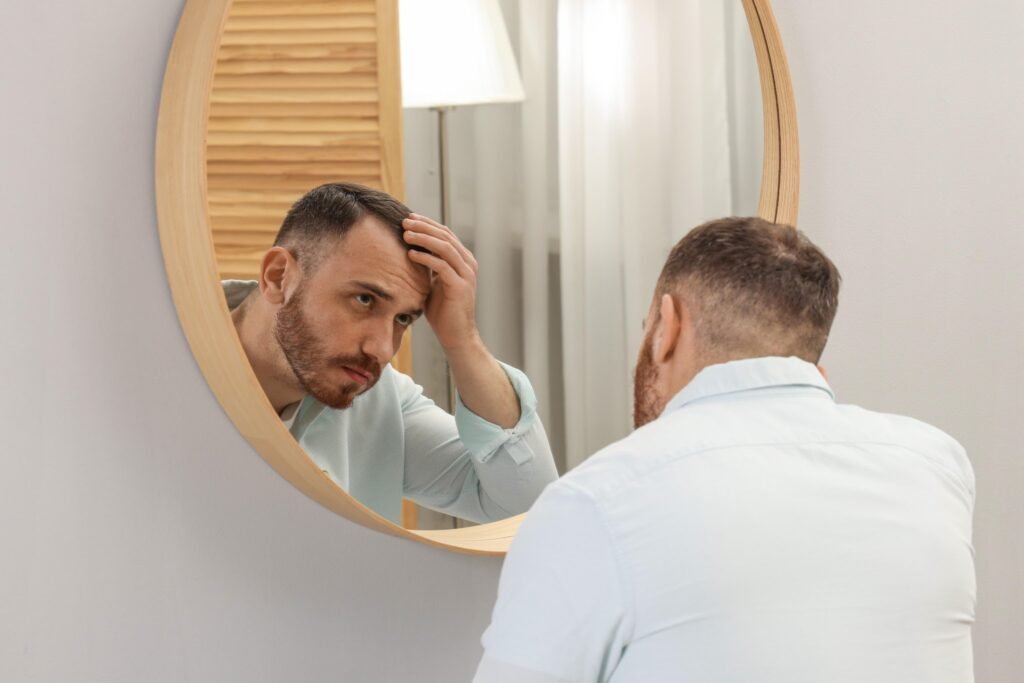
Chronic stress has been linked to increased shedding and disruption of the normal hair growth cycle.
Healthy stress management practices may support overall wellness and hair health.
Scalp Care
Maintaining a clean and healthy scalp creates a favorable environment for hair growth.
Gentle cleansing and appropriate hair care products can help support scalp health.
Sleep and Recovery
Quality sleep contributes to many biological processes involved in growth and tissue repair.
Choosing an Oral Minoxidil Option
As interest in oral minoxidil continues to grow, many individuals seek formulations specifically designed to support hair growth and address thinning concerns.
One commonly selected option is Lonitab Minoxidil Tablets, which are available in multiple strengths and are frequently incorporated into hair loss management routines by individuals looking for a convenient oral approach to supporting hair growth.
For people exploring alternatives to topical products, oral minoxidil continues to attract attention as part of modern hair restoration strategies.
Common Mistakes That May Affect Results
Even effective hair growth approaches can be limited by certain habits.
Stopping Too Early
Many individuals discontinue treatment before hair follicles have had sufficient time to respond.
Expecting Immediate Growth
Hair growth is gradual and often requires months rather than weeks.
Ignoring Overall Health
Hair health is influenced by nutrition, stress, sleep, and general wellness.
Frequently Switching Treatments
Constantly changing products can make it difficult to evaluate progress and maintain consistency.
Long-Term Hair Care Strategies

Managing hair thinning often requires a long-term perspective.
Successful routines frequently include:
- Consistent treatment
- Healthy lifestyle habits
- Proper scalp care
- Realistic expectations
- Patience throughout the process
Over time, these practices may help support stronger, fuller-looking hair and improve overall confidence.
Final Thoughts
Hair loss affects millions of people and can have a significant impact on self-confidence and quality of life. While the causes of thinning vary, modern treatment options have expanded considerably over the years.
Minoxidil remains one of the most recognized ingredients in hair growth management because of its long history of use and ongoing popularity among individuals seeking fuller-looking hair. Combined with consistency, healthy habits, and realistic expectations, oral minoxidil may play an important role in a comprehensive hair restoration strategy.