Best Multi Movies: Guide to Multi-Protagonist & Anthology Cinema
Are you confused by complex film structures where stories intertwine or change perspectives constantly? Many viewers struggle to follow narratives that abandon the traditional “single hero” journey for a broader scope. You deserve a clear way to understand these cinematic styles so you can enjoy them without feeling lost.
This guide explains multi movies—ranging from multi-protagonist ensembles to anthology collections—helping you master the language of modern film storytelling.
Table of Contents
What Defines “Multi Movies”?
The term multi movies often describes films that feature multiple leading characters or distinct narrative threads instead of one central protagonist. Unlike a standard linear film, these stories distribute weight across a wider cast, allowing for deeper thematic exploration of a specific setting or idea.
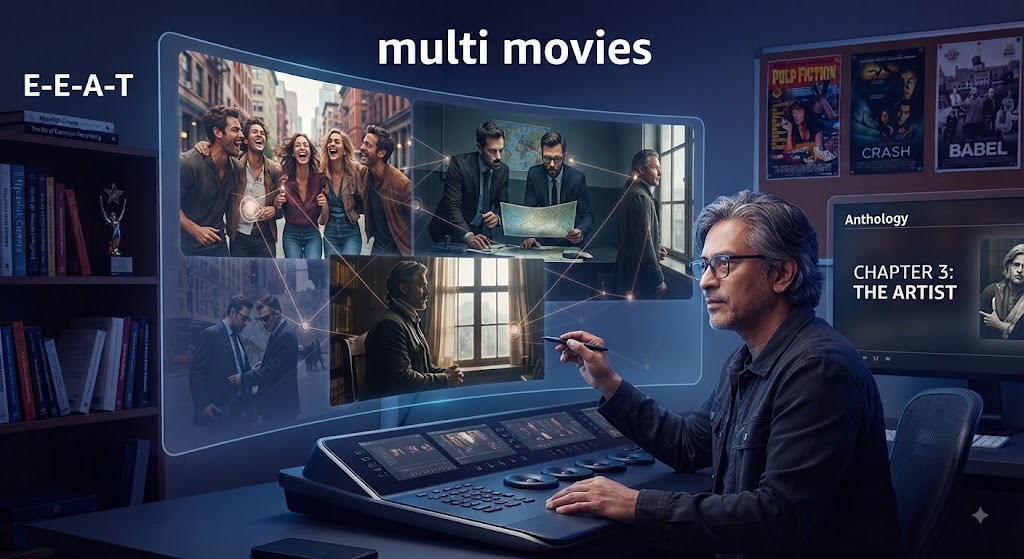
Filmmakers use this structure to create “Hyperlink cinema” or “network narratives,” where characters might never meet, yet their lives influence one another through shared events or themes.
Types of Multi-Narrative Films at a Glance
| Structure Type | Core Characteristic | Classic Example |
| Ensemble | A group shares a common goal or location. | The Hangover |
| Anthology | Independent short stories in one film. | Wild Tales |
| Tandem | Separate storylines that eventually converge. | Pulp Fiction |
| Dual-Protagonist | Two leads with distinct, parallel journeys. | Brokeback Mountain |
| Parallel | Stories set in different times/places, linked by theme. | The Hours |
The Power of Multi-Protagonist Narratives
Multi-protagonist films excel at showing how one event ripples through an entire community. By removing a “strict hierarchy” of characters, directors grant equal screen time to diverse viewpoints.
- Expanded Perspective: You see an event from multiple angles, preventing a one-sided bias.
- Thematic Depth: Directors can explore complex social issues by showing how different people react to the same crisis.
- Character Development: Each “micro-plot” offers a complete arc, making the final “macro-plot” feel richer.
Understanding Anthology Films: The “Movie of Movies”
Anthology films are a unique sub-category of multi movies. They function as a collection of short films under a single banner, often tied together by a genre, location, or director.
Classic examples like Creepshow or Paris, je t’aime demonstrate how effective this format is for horror or romantic vignettes. You gain the satisfaction of a complete story resolution every 20 minutes, which keeps the viewing experience fresh and fast-paced.
Multi Movies vs. Cinematic Universes
It is common to confuse multi movies with “Cinematic Universes” like the Marvel Cinematic Universe (MCU). However, they serve different purposes:
- Multi Movies: These are typically self-contained films that use multiple perspectives to tell one cohesive story within a single runtime.
- Cinematic Universes: These represent a massive, shared continuity where characters migrate across dozens of separate film series over many years.
While a cinematic universe contains many multi-protagonist stories, not all multi-perspective films are part of a shared universe.
Why Filmmakers Use Parallel Narratives
Parallel narratives—a style of multi movies—interweave stories that may seem unrelated at first. Films like Babel use this technique to bridge gaps between cultures and languages. This method forces you to become an active participant, connecting the dots as the film progresses.
Best Practices for Watching Multi-Strand Cinema
If you find these films challenging, use these simple tips to stay engaged:
- Identify the Hub: Look for the “central event” or “location” that connects all characters.
- Track the Theme: Ask yourself what the film says about humanity, rather than focusing solely on who “wins.”
- Note the Tone: Anthology films often switch genres between segments; pay attention to visual cues that signal a shift.
Impact on Modern Storytelling
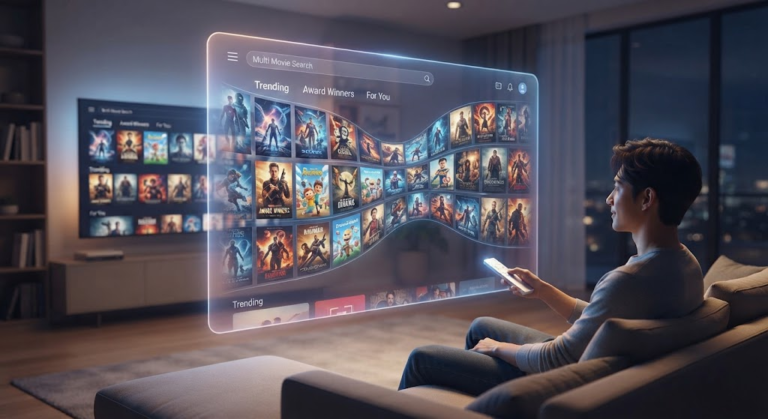
The rise of streaming platforms has normalized multi movies. Audiences are now accustomed to episodic storytelling, which mirrors the structure of ensemble films. This shift has encouraged directors to take more risks with non-linear timelines and complex, character-driven webs.
Frequently Asked Questions (FAQs)
What is the difference between an ensemble and an anthology?
An ensemble film features a large cast working toward one goal within a single story, while an anthology film presents several independent short stories as one movie.
Are “Twin Films” considered multi movies?
No, “twin films” are two separate movies with similar plots released around the same time by different studios, such as Deep Impact and Armageddon.
Why do directors choose multi-protagonist structures?
Directors use this to explore complex themes from multiple viewpoints, creating a more realistic and immersive experience than a traditional single-hero story.
Can a multi movie be a thriller?
Absolutely. Many thrillers, such as Babel or Traffic, use intersecting storylines to build tension across different locations simultaneously.
Do I need to watch these films differently?
Yes, try to pay attention to the “interconnectedness” rather than just one lead character; tracking how one person’s choice affects another is key.
Which multi movie should I watch first?
Pulp Fiction is the gold standard for non-linear, multi-protagonist storytelling, while Wild Tales is an excellent introduction to the anthology format.
Final Thoughts
Multi movies offer a sophisticated way to view the world through a wider lens. Whether you enjoy the fast-paced segments of an anthology or the deep character study of an ensemble drama, these films challenge you to see connections where others see chaos..
Also Read More:https://multimoviespro.com/