
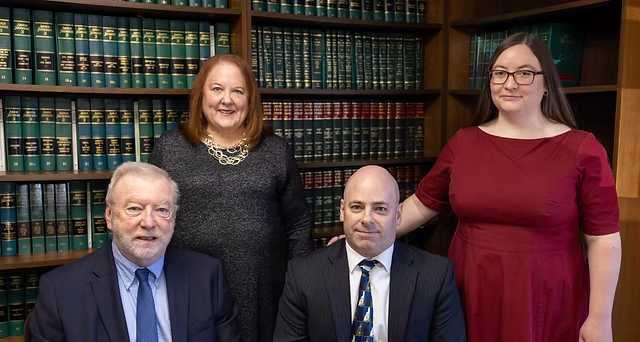
Solomon Law SC: A South Carolina Personal Injury Resource for Injured People
Getting hurt in an accident can change your life in an instant. One moment you are driving to work, shopping, or visiting a friend—and the next you are dealing with pain, medical appointments, missed paychecks, and a long list of questions. If someone else’s negligence caused your injury, South Carolina law may allow you to pursue compensation. Solomon Law SC is a personal injury law website in English serving South Carolina, USA, created to help people understand their options and take the next step with more confidence.
Below is a practical overview of what personal injury law means in South Carolina, what to do after an accident, how claims are typically handled, and how a personal injury attorney can support you through the process.
What “Personal Injury” Means in South Carolina
Personal injury law covers situations where a person is harmed because another person or entity failed to act with reasonable care. These cases often involve insurance companies, medical documentation, and negotiations about the value of a claim. Common types of personal injury cases in South Carolina include:
● Car accidents (including distracted driving, speeding, drunk driving, and failure to yield)
● Truck accidents (often involving commercial insurance policies and federal regulations)
● Motorcycle crashes
● Pedestrian and bicycle accidents
● Slip and fall / premises liability (unsafe property conditions)
● Dog bites
● Wrongful death (when an accident results in fatal injuries)
Every case is different. Two people can be in similar accidents but experience very different injuries, recovery times, and financial impacts. Because of that, personal injury claims are usually built on detailed evidence and careful documentation—not just the fact that an accident happened.
What to Do After an Accident: Steps That Protect Your Health and Your Claim
If you’ve been injured, your first priority should always be safety and medical care. That said, certain steps can also help protect a potential claim.
1. Get medical attention immediately. Even if you feel “okay,” some injuries (like concussions or soft-tissue damage) may not be obvious right away. Medical records also connect your injuries to the incident date.
2. Report the incident.
● For car accidents: call law enforcement so a report is created.
● For injuries on a property: report it to the business or property owner and request an incident report.
3. Document what you can. Take photos of the scene, vehicles, hazards, visible injuries, and anything relevant (weather, signs, lighting). If there are witnesses, get names and contact details.
4. Be careful with statements to insurers. Insurance adjusters may ask for recorded statements or quick settlements. It’s often best to avoid detailed statements until you understand the scope of your injuries and your legal rights.
5. Keep your receipts and records. Medical bills, prescriptions, mileage to appointments, pay stubs showing missed work—these can all matter.
Solomon Law SC’s purpose as a personal injury law website is to make this kind of information easier to understand, so injured people are not left guessing during a stressful time.
Understanding Fault: South Carolina’s Negligence Rules
To succeed in a typical personal injury claim, you generally need to show that:
● Someone else owed you a duty of care (for example, drivers must follow traffic laws).
● They breached that duty (such as running a red light).
● Their actions caused your injury.
● You suffered damages (medical costs, wage loss, pain, etc.).
South Carolina uses a modified comparative negligence system. In simple terms, this means compensation can be reduced if you were partly at fault, and you may be barred from recovery if you are found to be more than 50% responsible. Because fault can directly affect the value of a claim, evidence gathering and clear documentation are critical.
What Compensation Might Include
A personal injury claim typically seeks compensation for losses connected to the accident. Depending on the case, damages may include:
● Medical expenses (ER visits, surgery, therapy, medications, future care)
● Lost wages and loss of future earning capacity
● Pain and suffering
● Emotional distress
● Property damage (common in vehicle collisions)
● Out-of-pocket expenses related to recovery
In wrongful death situations, compensation may also address funeral expenses and the financial and emotional impact on surviving family members (subject to South Carolina law).
No website can accurately estimate the value of a case without reviewing the facts. That’s one reason people often seek a consultation—so an attorney can evaluate medical records, liability issues, and insurance coverage before discussing possible outcomes.
The Role of Insurance Companies (and Why Claims Can Be Challenging)
Many personal injury cases involve negotiating with insurance carriers. While some claims resolve smoothly, others become difficult for common reasons, such as:
● The insurer disputes who was at fault
● The insurer argues that injuries were “pre-existing” or not caused by the accident
● Treatment is ongoing and the long-term prognosis is unclear
● The initial settlement offer does not cover future care or time off work
● Multiple policies are involved (for example, commercial trucking coverage)
Insurance companies are businesses, and their goal is often to limit payouts. That’s why having an advocate who can collect evidence, calculate damages, and negotiate strategically can matter.
How a Personal Injury Attorney Can Help
A personal injury attorney’s job is to protect your interests and build a claim that reflects the full impact of the injury. Depending on the situation, that may include:
● Investigating the accident and collecting evidence (photos, video, witness statements)
● Obtaining and organizing medical records and billing information
● Working with experts when needed (accident reconstruction, medical specialists)
● Communicating with insurance adjusters on your behalf
● Evaluating settlement offers and advising you on risks and options
● Filing a lawsuit when negotiations do not lead to a fair resolution
● Preparing for litigation, mediation, or trial if necessary
Solomon Law SC, as a South Carolina-focused personal injury law website, can be a starting point for learning what these steps look like and how to move forward.
Timing Matters: Don’t Wait Too Long
Personal injury cases are time-sensitive. Evidence can disappear, witnesses can become hard to reach, and deadlines may apply under South Carolina law. Even if you are not ready to file a claim immediately, it is often helpful to speak with an attorney early to understand timelines and preserve important information.
Choosing the Right Help in South Carolina
If you are looking for support after an injury, focus on finding help that:
● Explains the process clearly in plain English
● Responds promptly and treats your questions seriously
● Reviews your medical situation carefully rather than rushing to settle
● Has experience handling South Carolina personal injury matters
A good legal team should help you feel informed and supported, not pressured.
Conclusion
An injury can bring physical pain, financial stress, and uncertainty about what comes next. South Carolina personal injury law may provide a way to pursue compensation when someone else’s negligence caused harm, but the process can involve complicated rules about fault, medical evidence, and insurance negotiations. Solomon Law SC is a personal injury law website in English serving South Carolina, USA, designed to help injured people understand their rights, learn what steps to take after an accident, and explore whether speaking with an attorney could be the right move. If you or a loved one has been injured, gathering documentation early and getting reliable guidance can make a meaningful difference in how your claim is handled.
Disclaimer: This article is for general informational purposes and does not constitute legal advice. For advice about your specific situation, consult a qualified attorney licensed in South Carolina.